
20 Jan, 2025
How to Unclog a Drain Without Harsh Chemicals
While some DIY solutions can temporarily alleviate the plumbing services are often the best way.
Learn MoreFast, Affordable & 24/7 Emergency Support
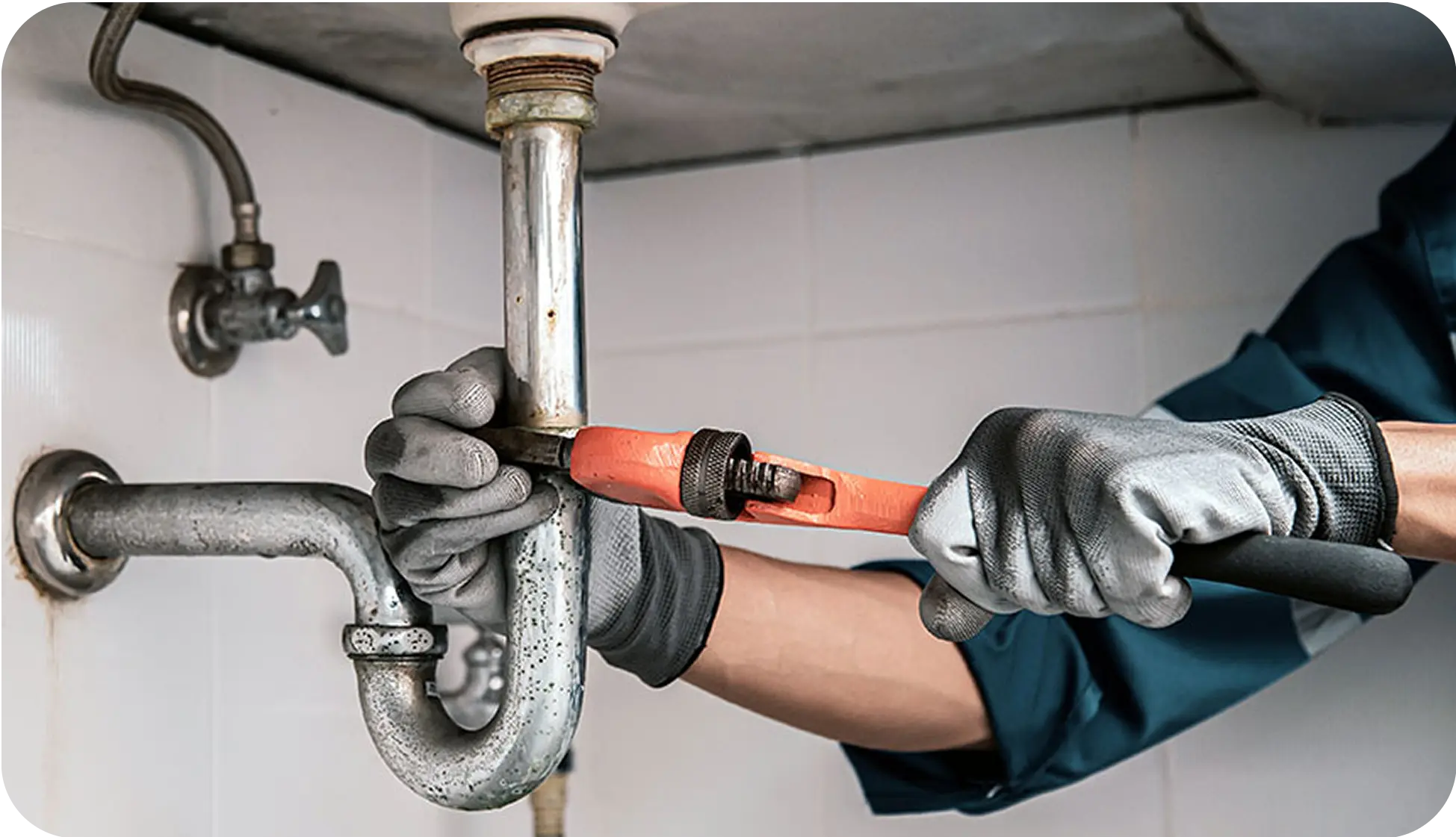
Improper plumbing work may result in expensive repairs, severe water damage, and unnecessary stress. Yet, many homeowners—lacking professional training—tend to make common plumbing mistakes that could have been easily prevented. Whether you’re tackling a simple leak or overseeing a renovation, understanding the pitfalls helps you protect your home and wallet. In this article, we’ll explore the top five plumbing errors homeowners commit, share tips for avoiding them, and explain how you can maintain a healthy plumbing system year-round.
Overlooking small leaks is among the most common plumbing mistakes homeowners make. That drip under the sink or the slow faucet trickle seems harmless—but over time, a tiny leak can waste hundreds of gallons, damage cabinets, and promote mold growth.
Long-term damage: A slow leak erodes pipes and fittings, leading to major failures.
Mold and mildew: Persistent moisture under sinks or behind walls becomes a mold hotspot, affecting indoor air quality.
Rising bills: A faucet that drips just once every second can waste more than 3,000 gallons annually, leading to a noticeable spike in your water costs.
How to avoid it: Inspect all visible pipes, under-sink areas, and faucet connections at least twice a year. At the first sign of moisture or corrosion, tighten fittings, replace worn washers, or call a professional. Don’t wait until the leak worsens.
Reaching for a bottle of caustic drain cleaner feels quick and easy when a drain clogs. Unfortunately, many homeowners make the worst plumbing mistakes by overusing these harsh chemicals.
Pipe damage: Strong acids or alkalis in cleaners can corrode metal P-traps and PVC joints.
Incomplete clearing: Chemical solutions often only burn through the clog’s surface, leaving residue that builds up again.
Safety risks: Fumes and splashes can harm skin, eyes, and respiratory systems if not handled properly.
How to avoid it: Use a mechanical method first—plunger, plumber’s snake, or a hand-powered drain auger. For minor blockages, a safe mix of baking soda and white vinegar can help clear organic residue. Use strong chemical drain cleaners only in severe cases, and always adhere carefully to the manufacturer’s safety guidelines.
When replacing or installing a new sink, many DIYers commit bathroom sink drain installation mistakes to avoid —leading to leaks and poor drainage.
Improper flange seal: Failing to apply plumber’s putty or a proper gasket under the sink flange creates gaps where water seeps.
Misaligned P-trap: If the trap arm isn’t level or is too long, water pools and causes slow drainage.
Loose slip nuts: Hand-tightening nuts without a wrench often allows slow leaks under the sink.
How to avoid it: Read the sink drain kit instructions carefully. Use a plumber's putty or a rubber gasket under the sink flange, then tighten slip nuts with an adjustable wrench—firm but not over-torqued. Ensure the trap arm is properly measured and leveled for accurate alignment. If you’re unsure, consult a licensed plumber to ensure a leak-free installation.
Perhaps the most preventable of all plumbing mistakes is skipping routine maintenance. A well-maintained system runs efficiently and avoids emergencies.
Seasonal checks: Pipes freeze in winter and corrode in summer heat—inspecting and insulating your pipes each season prevents damage.
Drain inspections: Even if drains flow freely, build-up can hide below the surface. Periodic camera inspections or careful mechanical cleaning keep lines clear.
Fixture upkeep: Replacing worn washers, O-rings, and seal washers keeps faucets drip-free and valves functional.
How to avoid it: Create a simple maintenance schedule: tighten fittings and check for leaks every three months; clear slow drains every six months; test sump pumps and backwater valves annually. Many homeowners find value in hiring a professional for an annual plumbing inspection to catch hidden issues before they escalate.
Excessive water pressure can stress your pipes and fixtures, while insufficient pressure leaves showers and faucets underperforming. Yet ignoring this balance ranks among common plumbing mistakes.
High pressure problems: Valves, seals, and faucet cartridges wear out faster under excessive pressure, leading to leaks and premature failures
Low pressure frustrations: Clogged aerators, faulty pressure regulators, or pipe corrosion can reduce pressure, making everyday tasks time-consuming.
How to avoid it: Install a pressure gauge on an outdoor spigot or washing machine connection to monitor pressure; it should read between 40–60 psi. If it’s outside this range, have a professional adjust or replace the pressure-reducing valve (PRV). Clean faucet aerators every few months to maintain flow.
By steering clear of these common plumbing mistakes and taking a proactive approach, you’ll save time, money, and stress in the long run. Whether you need repairs or guidance, RooterX Plumbing is here to help you maintain a healthy, trouble-free plumbing system. Continue learning, stay vigilant, and call your trusted plumbing experts before a small issue becomes a major headache

While some DIY solutions can temporarily alleviate the plumbing services are often the best way.
Learn More
While some DIY solutions can temporarily alleviate the plumbing services are often the best way.
Learn More
While some DIY solutions can temporarily alleviate the plumbing services are often the best way.
Learn MoreThe most serious include ignoring small leaks, overusing chemical drain cleaners, and installing fixtures incorrectly—each can lead to major damage and costly repairs.


